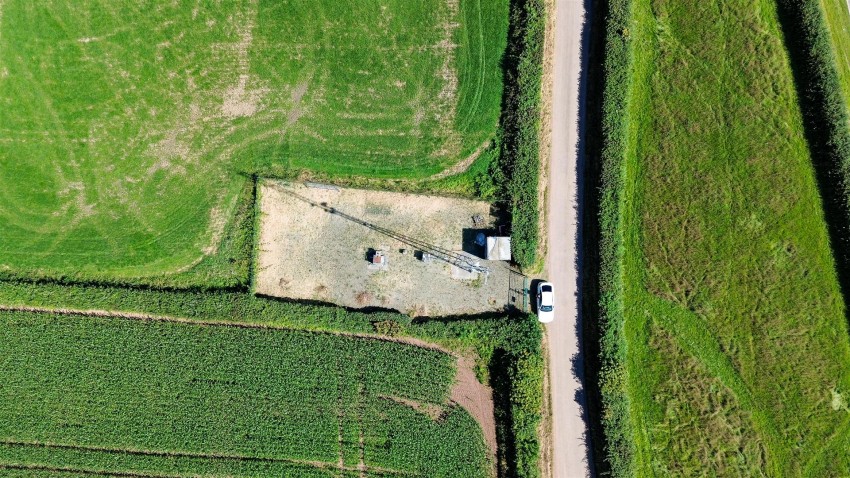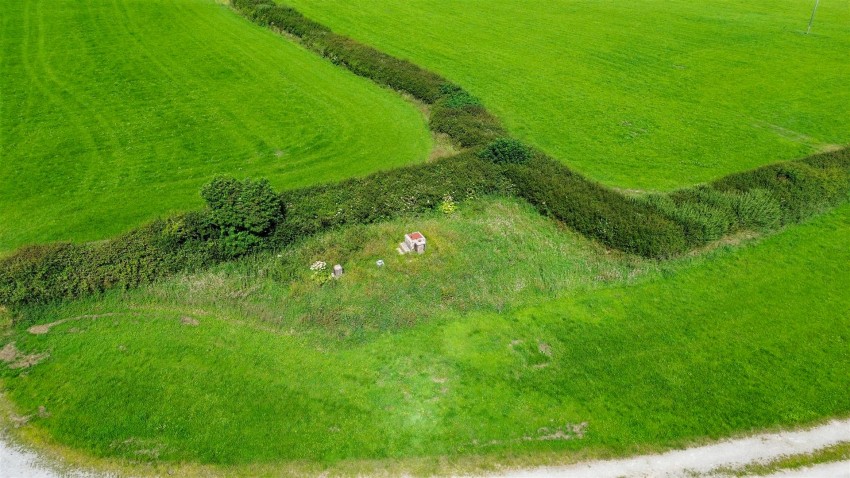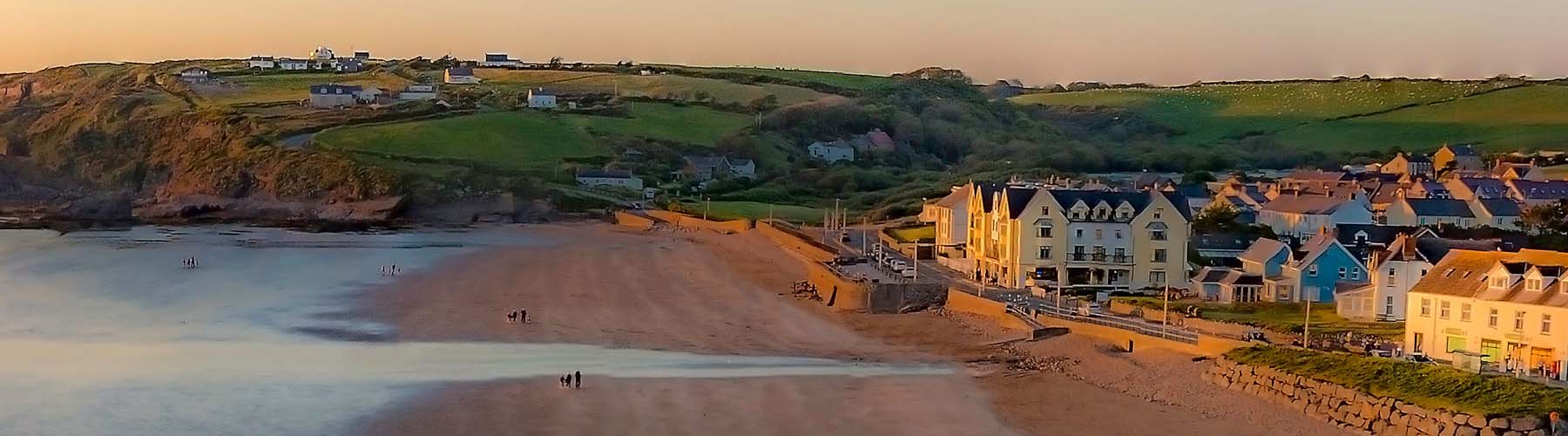
Importantly, several of the sites within the portfolio have already successfully undergone change of use to telecommunications infrastructure, demonstrating the suitability of these locations for modern communications purposes. In particular, the Narberth, Arnold’s Hill and Maenchlochog sites are currently utilised for telecommunications equipment, illustrating an established precedent for this form of use.
All sites are considered to comprise previously developed land (brownfield), further supporting the potential for alternative uses or redevelopment, subject to securing the appropriate planning permissions.
As such, the land may be of interest for continued communications use, investment purposes, or as potential development plots for residential or commercial schemes, subject to planning consent.
Historical Background: The Royal Observer Corps Monitoring Posts were introduced from the late 1950s as part of the UK’s civil defence strategy during the Cold War. Typically manned by volunteer observers, the posts were designed to be occupied for extended periods following a nuclear event, recording blast pressures, fallout levels, and relaying information to regional controls.
Decommissioned in the early 1990's following the end of the Cold War, many posts were subsequently infilled or lost. Those that survive intact are now increasingly rare, particularly examples retaining original internal fixtures and operational features.
A particularly fine and well-preserved example of a former ROC Monitoring Post, opened in 1960 and decommissioned in 1991. The site has since been repurposed to house PMR radio repeaters and remains securely locked. An approx. 80-foot radio mast stands within the compound, and the site benefits from mains electricity connection and internal lighting. The site therefore represents an established example of a former ROC Monitoring Post successfully adapted for telecommunications infrastructure.
Internally, the post retains a range of original ROC fittings and equipment, including furniture, communications equipment, and monitoring apparatus, offering a rare snapshot of Cold War operations.
The vendor has received a favourable pre-application planning response from Pembrokeshire County Council for this site, suggesting that the principle of development could be supported.
what3words///march.washable.mourner
Rurally positioned within open countryside, the Arnold’s Hill site occupies a discreet plot with surrounding agricultural land. The post forms part of the same Cold War monitoring network and retains its characteristic underground structure with surface access features.
The site is also currently utilised for telecommunications infrastructure, further demonstrating the suitability of these locations for communications use.
what3words///pine.paddocks.fights
Located near the village of Maenchlochog, this post occupies a compact parcel of land in a rural setting. The structure reflects the standard ROC design and benefits from clear site boundaries.
This site is also understood to accommodate telecommunications equipment, providing a further example of successful modern adaptation of the original infrastructure.
what3words///reckoned.absorbing.plump
Situated on the outskirts of Llanboidy, this site extends to approximately 0.125 acres and incorporates a former ROC Monitoring Post within open countryside. The site offers scope for a variety of potential uses, subject to the necessary consents.
what3words///headrest.encounter.goods
Located in South Wales, the Maesteg post extends the portfolio beyond Pembrokeshire and Carmarthenshire. The site retains its underground monitoring structure and associated surface features and represents a further surviving example of this now-rare Cold War infrastructure within a South Wales context.
what3words///plates.pound.actors
None of the sites currently benefit from full or outline planning permission for redevelopment. Interested parties should make their own enquiries with the relevant Local Planning Authorities regarding any proposed change of use or development.
Prospective purchasers should satisfy themselves as to the availability, capacity, and condition of services to each site. Some sites are known to benefit from mains electricity connections, while others may be unserviced.
The sites are understood to be held Freehold and are offered with vacant possession upon completion.
The vendor’s preference is to sell all five sites as a single portfolio transaction. However, the vendor may consider the sale of individual sites, or sub-groups of sites, depending on the level and merit of offers received. Interested parties are invited to discuss proposals with the selling agents.
The sites can be viewed externally at any reasonable time. We politely request all interested parties to contact our office prior to viewing for access information and/or accompanied viewings.